Skip to content

You may think that once your business waste and recycling has been collected and is off-site, then it’s no longer your concern.
But that’s not the case, and a council-led campaign in the Cotswolds is the perfect reminder for businesses of all shapes and sizes.
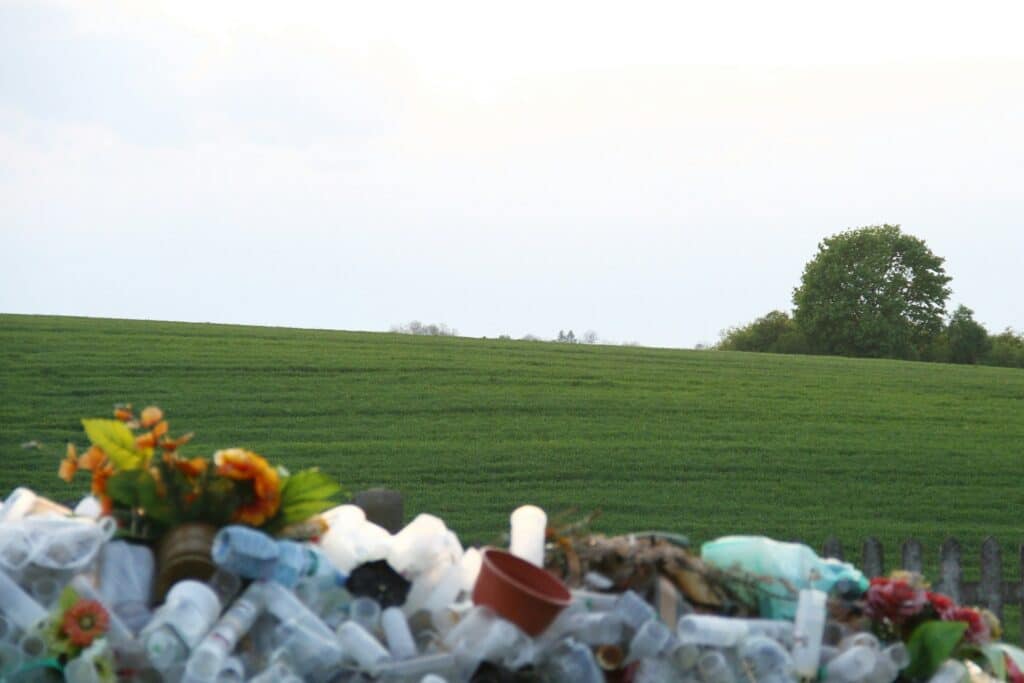
A spate of rogue traders fly-tipping in Southern England has forced the Cotswold District Council to launch its SCRAP fly-tipping campaign, a reminder to business owners and also homeowners of their legal responsibility to ensure they’re only handing their waste over to licensed contractors.
Fixed penalty notices have already been dished out to properties here illegally dumped waste was able to be tracked back to an address.
The Environment and Regulatory Services wanted that: “Everyone has a duty of care when it comes to waste disposal, and it’s vital that residents take that responsibility seriously.
“Fly-tipping is not just illegal – it’s dangerous and a blight on our countryside, our streets, and our environment. By carrying out simple checks before handing over your waste, you help protect your community and avoid a costly fine.”
Your legal requirements as a business
Businesses in the UK have a clear Duty of Care under the Environmental Protection Act 1990, which means you are legally responsible for your commercial waste from the moment it is produced until it reaches its final point of recovery or disposal. This duty does not end when the waste leaves your premises – if it is mishandled or illegally dumped by your contractor, you could still be held liable.
To stay compliant, there are several checks every business must carry out:
- Use only licensed waste carriers: You should always check that your waste provider has a valid waste carrier’s licence. A reputable contractor will be able to show this on request.
- Keep records: Every transfer of waste must be documented with a Waste Transfer Note (or equivalent). These records must be kept for at least two years and made available if requested by regulators.
- Provide accurate descriptions: You must give your contractor a clear description of the type of waste being collected, so it can be handled and treated safely.
- Check downstream compliance: Your responsibility doesn’t end once the waste is collected. You must take reasonable steps to ensure that any disposal site, skip hire or processing facility is authorised to accept your type of waste.
- Stay alert to changes in the law: Under new Simpler Recycling rules, from March 2025, most businesses with 10 or more employees will be required to separate out recyclable materials such as paper, glass, plastics and metals from general waste.
Read our comprehensive Simpler Recycling Guide for Business here.
Councils and the Environment Agency take these duties seriously, and failure to comply can lead to fixed penalty notices, such as in the case of the Cotswalds District Council, all the way through to unlimited fines and prosecution.
Most business owners don’t want to spend more time than absolutely necessary thinking about their business waste, and they certainly don’t want sleepless nights wondering whether they’ve broken environmental regulations.
At DCW, we go one step further than ensuring full compliance with local and national waste regulations – we ensure that ALL your commercial waste is collected, sorted, and processed in a way that means nothing you throw away ends up buried in the ground.
Through our commitment to Zero-to-Landfill, Recyclable materials are re-processed, our Circular Economy initiative links South West businesses together to re-use, and residual waste is used to create energy.
That’s commercial waste management you can actually be proud of.
For a no-obligation quote, speak to our experienced team today.