Simpler Recycling for Businesses: Workplace Compliance Guide
Simpler Recycling legislation is in effect and already impacts larger businesses and households. By March 2027, small businesses will also be expected to comply.
This Simpler Recycling Guide for businesses will take you through the changes, what they mean for how you manage your waste, and the deadlines you have to stick to. Plus, how DCW is supporting our clients across the South West to stay compliant with the legislation.
What is Simpler Recycling?
Simpler Recycling is a waste legislation reform that came into effect on 31st March 2025, designed to improve recycling across England by standardising collections and sorting, ensuring less recyclable materials end up in general waste, and reducing contamination within recycling collections – with the ultimate aim of reducing waste to landfill and supporting the environment.
It must be implemented by all households and businesses; micro-firms (businesses with fewer than 10 full-time employees) will not need to follow the changes until 31st March 2027.
However, it is recommended to adapt your processes prior to this, to ensure that you are compliant.
What are the key Simpler Recycling dates?

31st March 2025
Businesses and premises in England with more than 10 full-time employees are required to separate recycling materials from general waste.
31st March 2026
Local authorities are required to ensure all households can comply with the legislation, including the introduction of weekly food waste collections.
31st March 2027
Smaller businesses with fewer than 10 full-time employees are also expected to be compliant, including offices, venues and retail.
How Waste Sorting Is Changing for Businesses
Many small and medium‑sized enterprises (SMEs) have already been required to comply since 2025. Micro businesses (with 10 or fewer employees) must comply by 31 March 2027.
Simpler Recycling standardises how recyclable materials are collected and sorted, so that the same core materials are recycled everywhere, whether you’re at home or at work. While the principles are the same, the timelines and responsibilities differ for households and businesses.
For businesses, Simpler Recycling introduces clear legal requirements for how waste must be sorted.
Depending on your business size and location, you may now need to:
- Separate recyclable materials from general waste
- Use dedicated containers for specific waste streams
- Ensure staff understand and follow correct waste sorting
- Work with a registered waste provider that supports Simpler Recycling compliance
What businesses are impacted by Simpler Recycling?
Simpler Recycling legislation already does, or will by March 2027, apply to all business types, settings, and venues, including but not limited to:
- Offices
- Retail and wholesale
- Transport and storage
- Hospitality, such as cafes, restaurants, and hotels
- Places of education, such as schools, colleges, and universities
- Healthcare places, such as GP surgeries and hospitals
- Care homes
- Charities and those registered as charities
- Places of worship
- Penal institutes
- Charity shops
- Residential hostels
- Premises used only or mainly for public meetings
How DCW ensures businesses across Devon are compliant with Simpler Recycling
Step one: Provide you with an informative Simpler Recycling Guide to help you understand the legislation, and how and when it will impact your business!
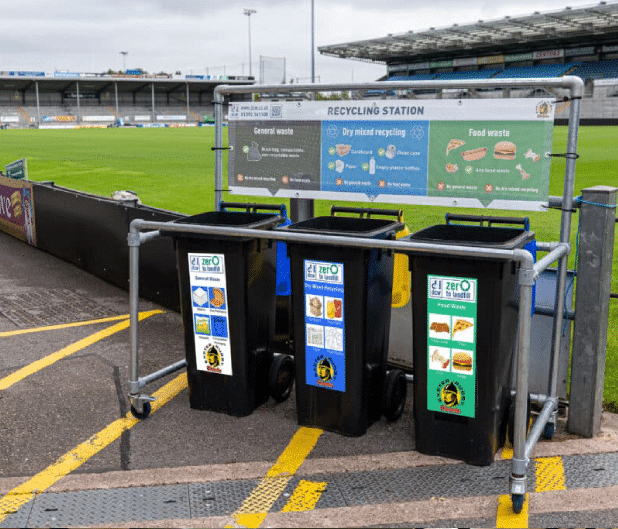
Step two: We carry out waste audits to ensure you have the bins you need, compliant with local and national regulations, and aligned with how much waste you produce.
Step three: We help ensure you’re compliant on-site, and take care of everything else downstream so you know your waste is being handled, sorted, and recycled in the right way.
We’re passionate about helping businesses across the South West with their commercial waste requirements, from legislative compliance to streamlined waste management and eco-efficiency.
It’s what we do.
Contact the Experienced
Team at DCW
Contact DCW for a cost effective and sustainable waste management solution. For a no obligation quote complete the form or call today on:
For service enquiries please speak to your local depot.
Opening hours:
Our phone lines are open during these hours
Monday to Friday 8.00am to 5.30pm
What our customers say
We are proud that so many of our customers come back to us every time for all their commercial waste disposal needs. You can find out more about what our customers think below.