Guide to Hazardous Waste Management for UK Businesses
Hazardous waste management is a critical aspect of modern business operations, especially for industries handling potentially dangerous materials. Whether you run a construction site, manufacturing facility, or an office generating electronic waste, proper handling and disposal isn’t just best practice, it’s the law.
We support organisations across the South West and beyond with fully compliant, environmentally responsible hazardous waste disposal services. This guide brings together everything you need to know to manage hazardous waste safely and efficiently in the UK.
What is Hazardous Waste?
Hazardous waste includes any waste material that poses a risk to human health or the environment. Common examples include:
-
Asbestos
-
Fluorescent light tubes
-
Solvents, paints, and adhesives
-
Batteries and electronic equipment
-
Clinical or infectious waste
-
Oils and cleaning chemicals
According to the UK Government’s hazardous waste classification, if a waste item displays one or more hazardous properties – such as being toxic, corrosive, flammable, or ecotoxic – it must be handled accordingly.
Read our full guide to chemical waste management and disposal.
Why is Hazardous Waste Management So Important?
Protecting Human Health and Safety
Improper disposal of hazardous materials can lead to accidents, fire hazards, toxic exposure, and long-term health problems for employees and the public.
Preventing Environmental Contamination
Incorrect handling of hazardous commercial waste contributes to soil degradation, water pollution, and air contamination — all of which have long-lasting environmental impacts.
Staying Legally Compliant
Businesses in the UK must comply with regulations such as:
Your Legal Responsibilities as a Waste Producer
Under the UK’s Duty of Care, any business producing hazardous waste must:
-
Identify and classify hazardous waste correctly
-
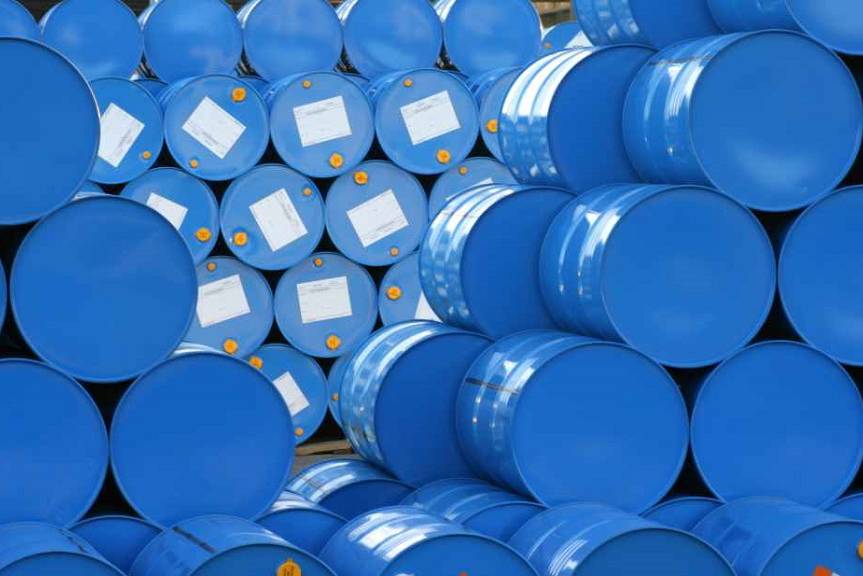
Store waste securely using appropriate containers and clear labelling
-
Use authorised carriers for waste collection
-
Keep detailed records, including Waste Transfer Notes and Consignment Notes
-
Ensure end-to-end traceability of how and where the waste is treated or disposed
Failure to comply can result in severe fines, prosecution, or damage to your reputation.
How to Store and Handle Hazardous Waste Safely
-
Use UN-approved containers that are compatible with the waste type
-
Label containers clearly with hazard symbols and handling guidance
-
Segregate incompatible substances (e.g. acids and alkalis)
-
Ensure storage areas are ventilated, locked, and away from watercourses
-
Provide staff with training and PPE (Personal Protective Equipment)
-
Keep a spill response kit on site and have a documented emergency plan
Industry-Specific Guidance
Construction and Demolition
Construction sites often produce large volumes of hazardous materials such as asbestos, paint tins, sealants, and insulation materials. Learn more about how to protect your site in our construction waste management blog.
Manufacturing and Industrial Waste
This sector often generates complex waste streams, including solvents, lubricants, and chemical by-products. Regular audits and waste minimisation plans are crucial.
Offices and Healthcare
Even non-industrial settings like offices produce hazardous e-waste (e.g. batteries, printer cartridges). Healthcare settings must also dispose of sharps and infectious waste in line with HTM 07-01 standards.
Emerging Technologies in Hazardous Waste Disposal
The UK hazardous waste sector is evolving rapidly. Innovative technologies include:
-
Advanced thermal treatment and pyrolysis for reducing waste volume
-
AI and smart logistics for waste collection route optimisation
-
Chemical recycling for complex waste such as plastics and contaminated containers
-
Digital waste tracking systems like Defra’s electronic waste tracking
The Role of a Licensed Waste Management Partner
Partnering with a licensed commercial waste disposal company like DCW ensures your hazardous waste is:
-
Collected safely and legally
-
Disposed of or recycled in line with Environment Agency standards
-
Fully documented with traceable paperwork
-
Managed by trained, accredited professionals
-
Monitored for compliance, audits, and sustainability reporting
Why Choose DCW for Hazardous Waste Disposal?
-
Fully licensed and Environment Agency-registered
-
Local, reliable collection across the South West
-
Bespoke hazardous waste solutions tailored to your industry
-
Commitment to sustainability and waste reduction
-
Proven track record with commercial, construction, and public sector clients
What our customers say
We are proud that so many of our customers come back to us every time for all their commercial waste disposal needs. You can find out more about what our customers think below.